Efficient production with a smaller environmental footprint
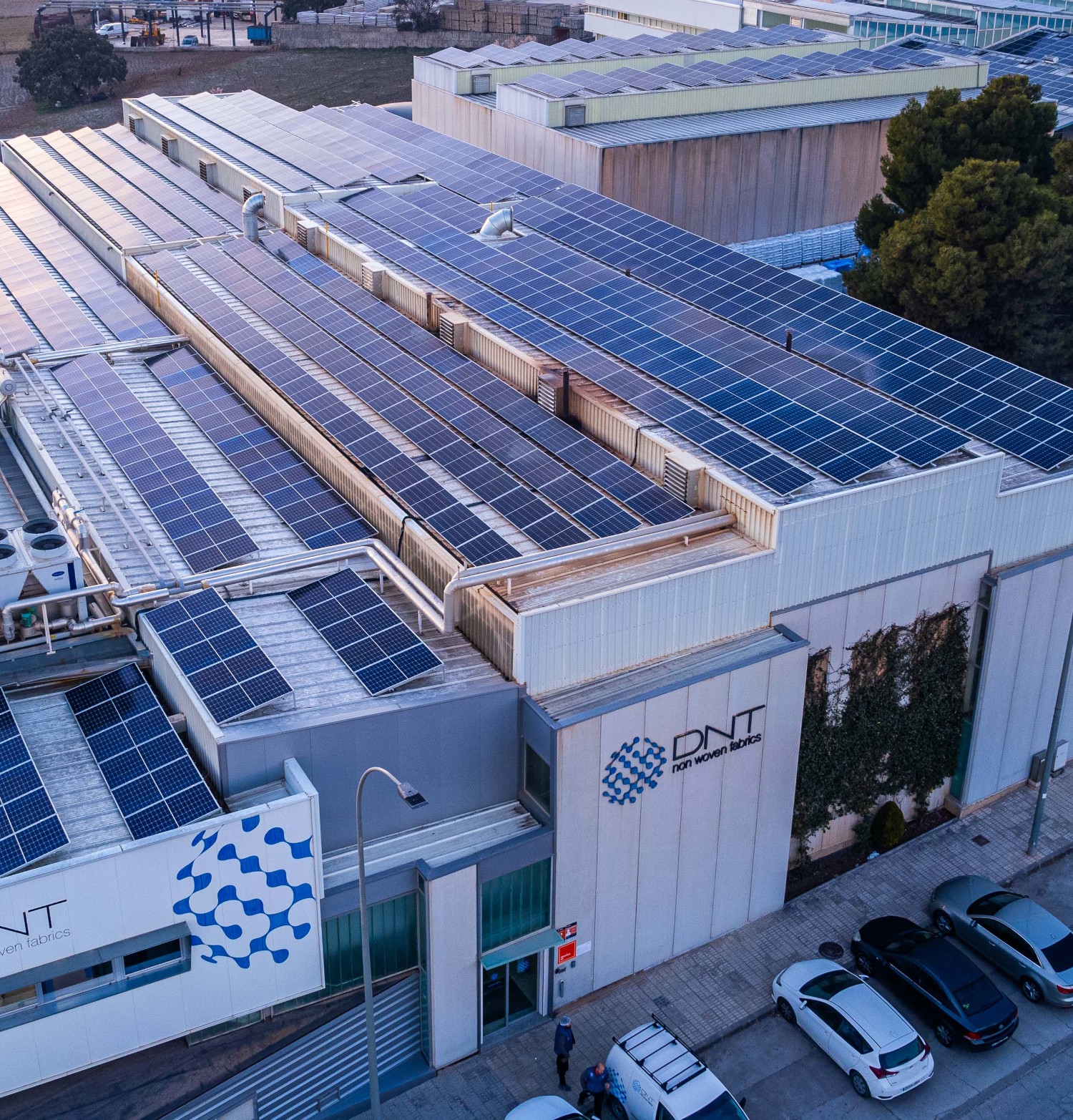
DNT Nonwoven Fabrics: We don’t just understand it: we apply it. Our production method has evolved toward a more efficient model, aligned with the circular economy, with a clear goal: to reduce our environmental footprint without sacrificing quality or competitiveness.
What does it mean to have efficient production with a smaller environmental footprint?
At DNT Non Woven Fabrics, we have established a production model aligned with the circular economy and reducing environmental impact, without compromising on quality or competitiveness. Our goal is clear: to produce more efficiently, responsibly, and with a smaller carbon footprint.
Circular economy: from waste to resource
One of the key pillars of our transformation has been adopting the circular economy as our working philosophy. This model not only reduces our environmental impact but also improves business profitability by maximizing the use of materials.
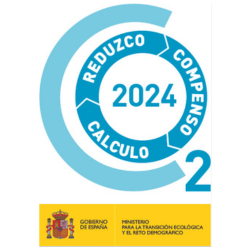
At our plant, we transform waste into new resources. We literally recycle waste to give it a new life. This approach isn’t a one-time occurrence; it’s part of a measurable strategy evaluated year after year. So much so that we’ve earned the Calculate-Reduce-Compensate 2024 seal, an official recognition that accredits our true commitment to sustainability.
The value of the Calculate-Reduce-Compensate stamp
This certification confirms that we record and reduce our emissions following audited and transparent criteria. Furthermore, we offset our carbon footprint through certified forestry projects, registered in the Carbon Footprint Registry according to Royal Decree 163/2014. These initiatives not only capture CO₂, but also promote biodiversity, the rural economy, and local job creation.
The impact of measuring and compensating
Most companies make a common mistake: they believe that being sustainable is just a matter of intentions. But sustainability can be measured, audited, and improved.
In our case, we calculate our greenhouse gas emissions, which has allowed us to clearly identify the sources of greatest impact. We then offset a portion of our carbon footprint through CO₂ removal projects, reinforcing our commitment to a cleaner future for all.

Offset emissions with certified projects
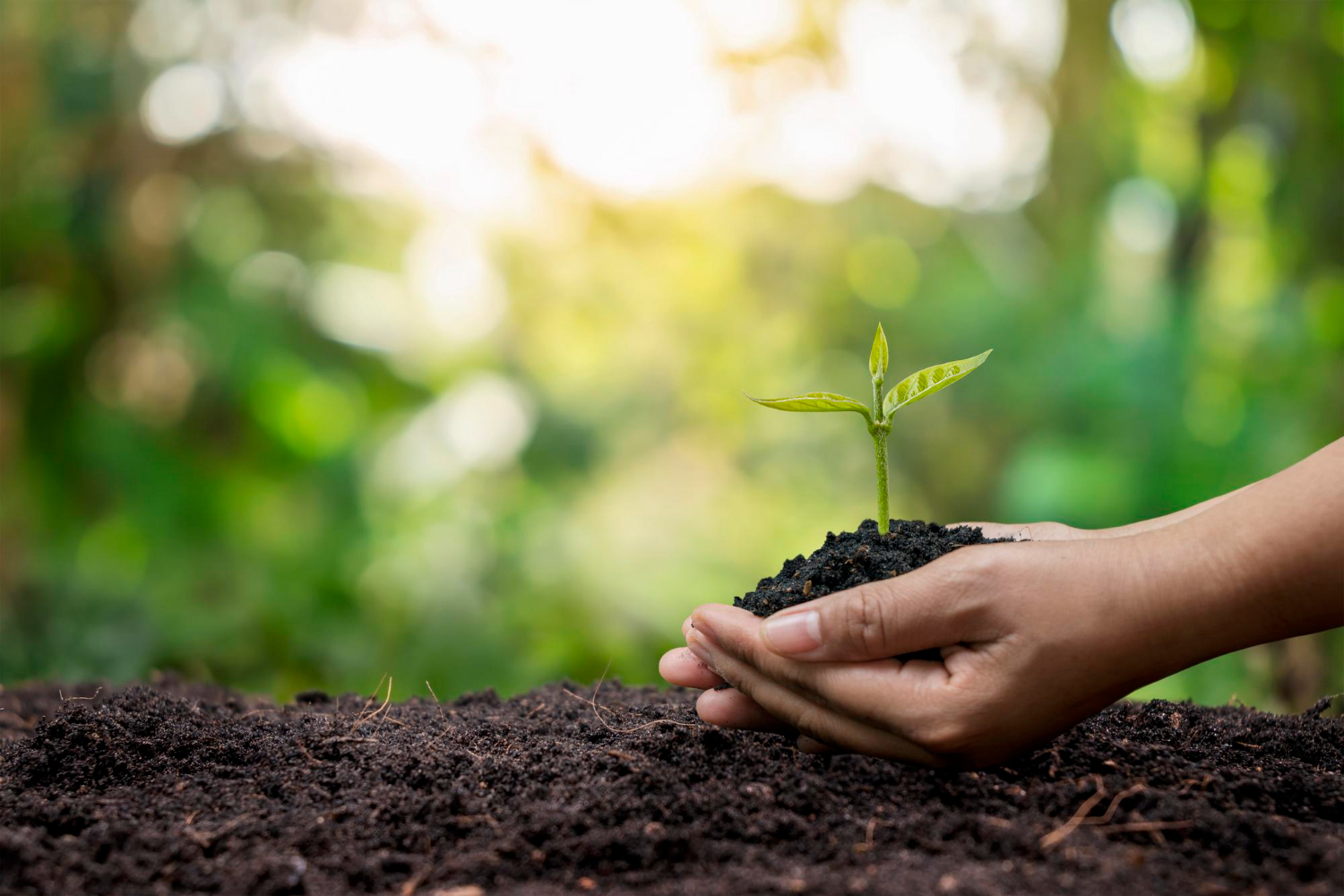
One of the most important parts of our strategy is participating in certified carbon sequestration projects. Thanks to the national registry created by Royal Decree 163/2014, we have been able to connect with forestry initiatives that not only capture CO₂ but also generate social and ecological benefits.
The project we are collaborating on this year to offset part of our carbon footprint is the JUARROS II Project, in San Adrián de Juarros (Burgos), through the company CO2 GESTIÓN.
As in previous years, the location of this project in a rural area has been chosen because it promotes its development from a triple perspective: environmental, labor and social:
- Its creation perpetuates a new forest in unpopulated areas over time, providing benefits to the atmosphere, biodiversity, and preventing soil erosion and fires in these areas.
- They contribute to generating local employment in areas at risk of depopulation and to revitalizing towns within ‘Empty Spain’.
- It will also promote hydrological and forest restoration, creating new refuges for wildlife and increasing water retention, thus enriching the soil.
Local production as a solution to imports
Sustainability is not only about how we produce, but also where we produce. Faced with the option of importing products with high environmental costs, we decided to generate our solutions here, at the source.
This decision not only strengthens the local economy but also reduces emissions associated with international transportation, one of the largest generators of carbon footprint in global trade. At DNT Nonwoven Fabrics, we believe the best way forward is by acting locally to impact globally.
Sustainability applied to the entire value chain
Sustainability at DNT AGRO is not a one-off action, but a corporate culture integrated into all stages of the process: from the selection of suppliers to the final delivery to the customer.

Our pillars are clear:
- Sustainability: reuse of resources and reduction of environmental impact.
- Social responsibility: commitment to the community and the environment.
- Innovation and quality: development of durable and high-performance products.
- Customer focus: customized and sustainable solutions.